
LOW-HEAD DAM BASICS
Managing Low-Head Dams
Who is responsible for managing low-head dams?
Low-head dams were built and are maintained by a variety of entities - ranging from private companies to government agencies. Whereas larger dams have clear oversight and management, many previously constructed low-head dams no longer have an active owner or manager.
For example, some low-head dams built to support mills may still be in a river even though the company that built and relied upon them is gone. In some cases, no new manager or owner was identified and as a result the dams are not maintained.
Most dams in the U.S. are managed through state dam safety programs, consistent with the National Dam Safety Program and applicable state laws. These programs provide oversight and ensure that dams are maintained and do not present dangers to the public (read more about state programs on the National Inventory of Dams). Each program and its respective authority are unique to the state.
Historically, most low-head dams have not been considered a part of dam safety programs and are not subject to oversight in the same way as other dams. Some states, such as Illinois, Pennsylvania, and Virginia, can regulate low-head dams and require actions like establishing exclusion zones marked by buoys and signs to keep people away from low-head dams. Some states inventory low-head dams, but many do not and may not know where these dams are within their state.
As a result, there is not a common understanding of the location and condition of low-head dams throughout the U.S., and inconsistent safety practices.

How are low-head dam owners and regulators improving safety?
Low-head dam owners and regulators are focused on improving safety at these dams and rely on a few common tools.
- Ensure locations and conditions of low-head dams are known and shared with others to inform safety decisions.
- The Low-Head Dam Inventory is a great step forward in sharing this data but more work is needed to verify and add more dams and improve the quality of available information.
- In some cases, the best course of action may be to remove a low-head dam so that it no longer poses risks.
- Dam removal often includes studying to determine the safest and best path as well as opportunity for public input.
- Low-head dams can be modified to improve their structural integrity and to address the downstream circulating currents that pose risks.
- Dam modification can eliminate problems while improving safety, reducing financial costs, enhancing fisheries, restoring river connectivity and habitat, and increasing recreational opportunities.
- Post signage and use buoys or other markings to keep people away from low-head dams in waterways.
- Complete public education campaigns to help raise people’s awareness of these dams and how to be safe.
Example actions underway to improve safety near low-head dams
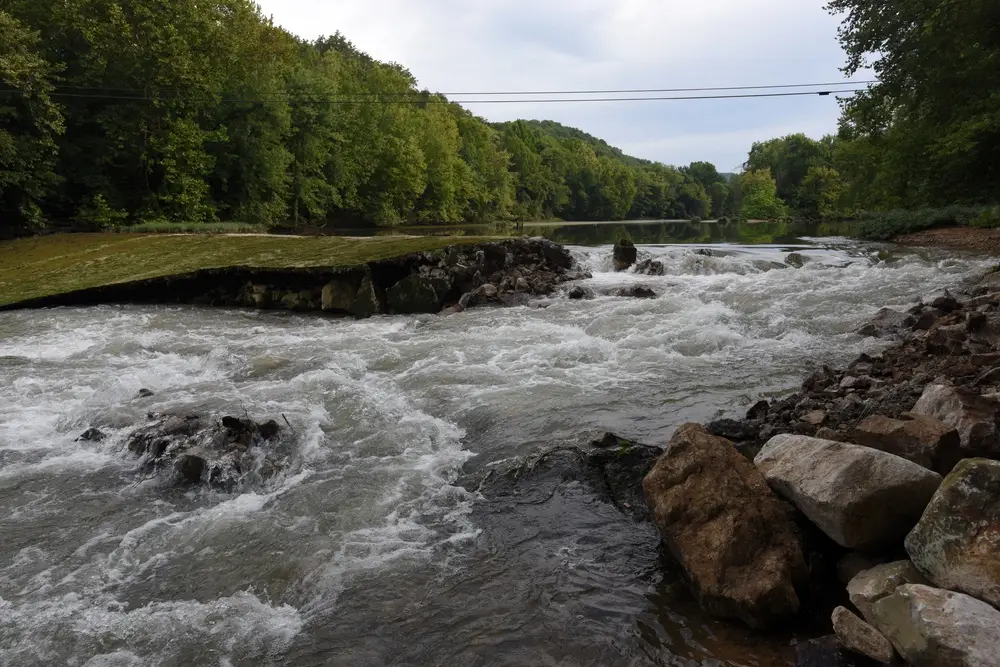
Roaring River Dam is in the Cumberland River tributary. Originally built by the U.S. Army Corps of Engineers as a fish barrier in 1976, the dam was at risk of failure and no longer serving its intended purpose. The Tennessee Wildlife Resources Agency, U.S. Army Corps of Engineers, The Nature Conservancy, U.S. Fish and Wildlife Service, Tennessee Department of Environment and Conservation, and Southern Aquatic Resources Partnership partnered to remove the dam in 2017.

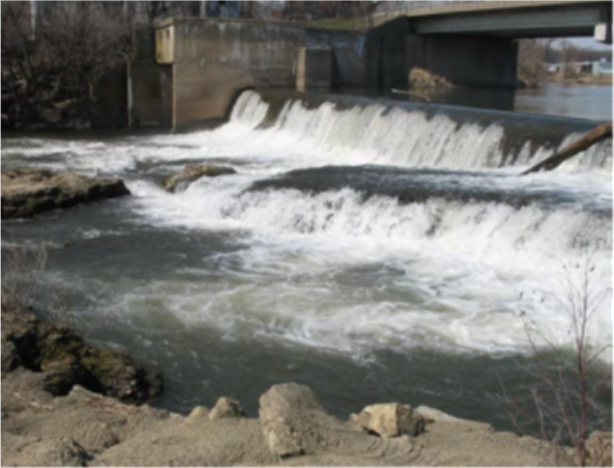
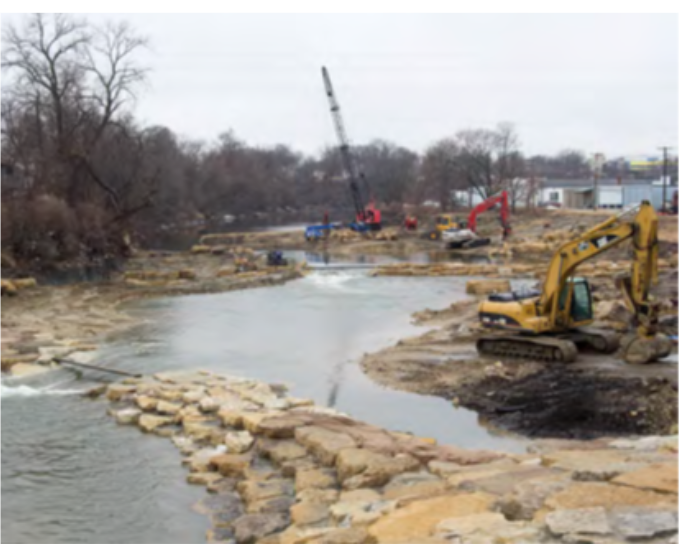
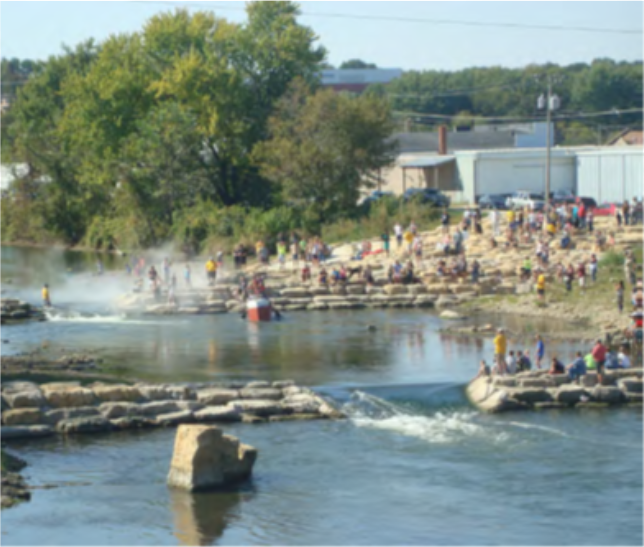
The City of Manchester modified a low-head dam in their community along the Maquoketa River in Iowa. The dam was built in 1904 and was used as a grist mill and to generate hydroelectricity. Construction started in September 2014 and created six 18-inch drop features, rocky pools, bank terraces, and access points along 800 feet of the Maquoketa River. The park was completed in May 2015.

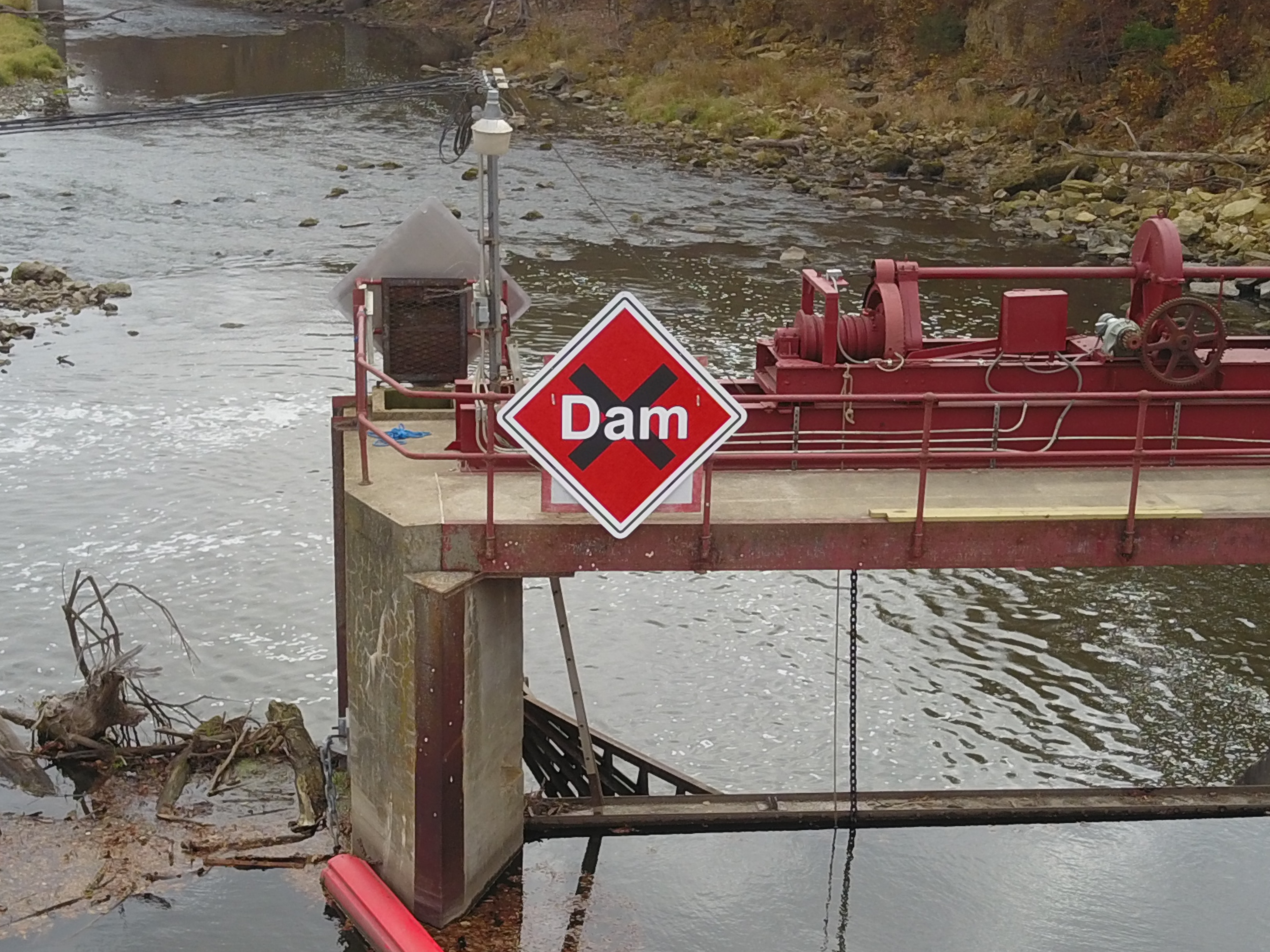
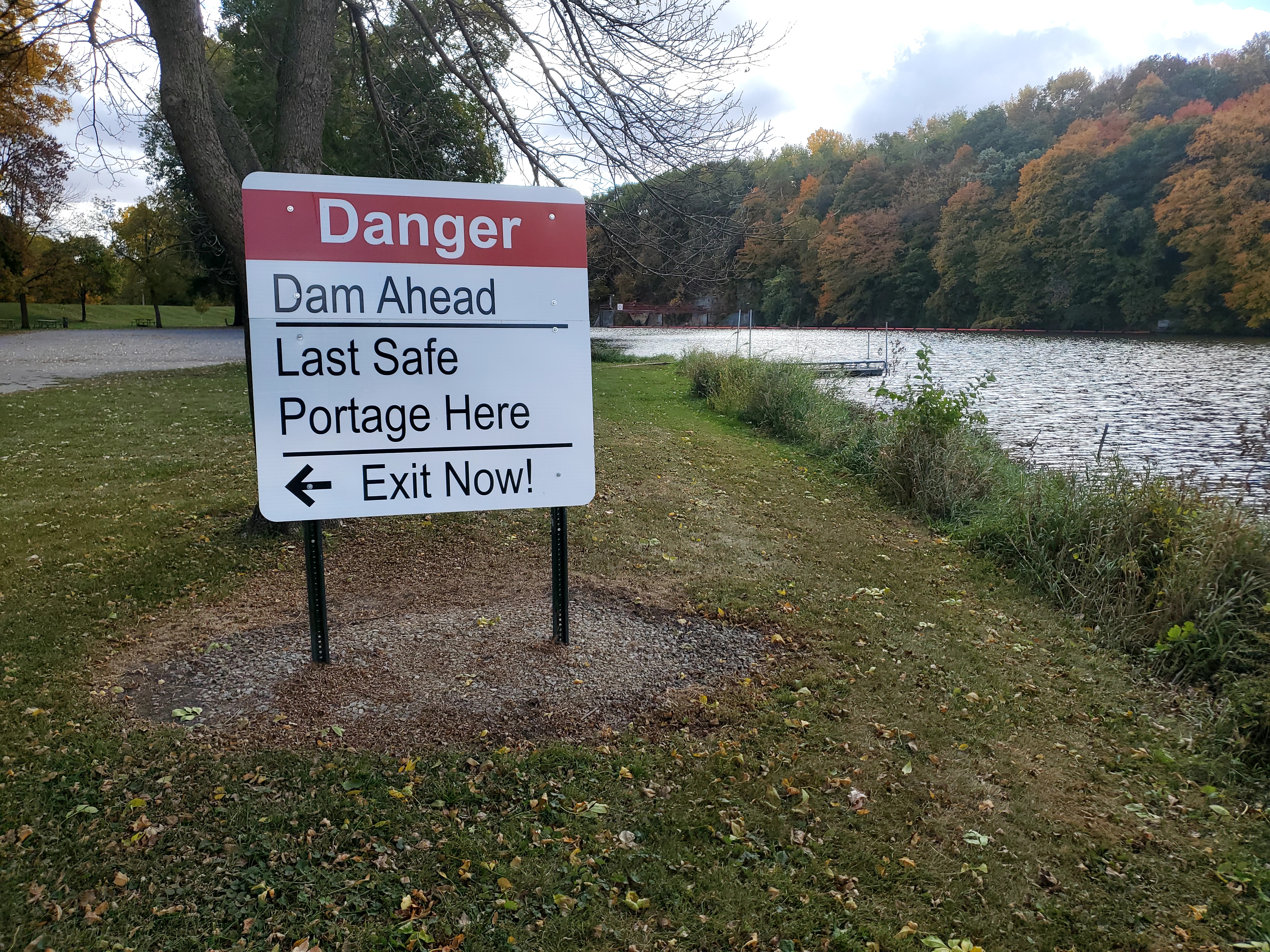
Signs can help notify people on waterways about where low-head dams are and to stay away from them. The state of Iowa has a guide for posting signs at its dams, including low-head dams. This guide helps dam owners in the state consistently mark low-head dams and support public safety.
.png)
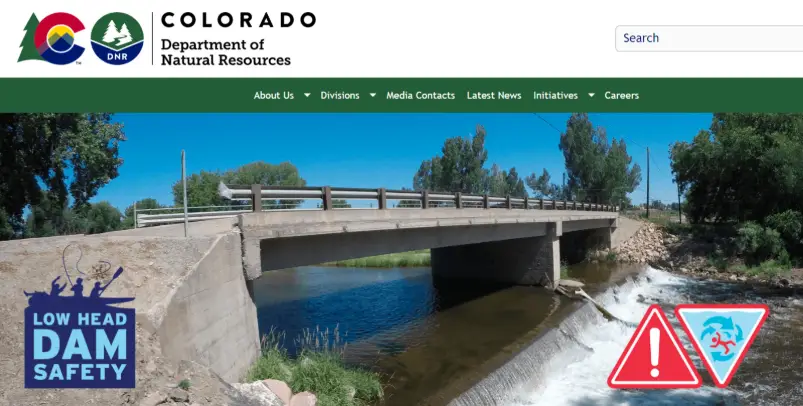
The Colorado Department of Natural Resources (DNR) started a low-head dam safety awareness initiative in 2020. This initiative included installing new signage at low-head dam sites, completing emergency responder education, reaching out to the public in partnership with private and non-profit organizations, and publishing a webpage that included an interactive map showing the location of low-head dams within the state.
Did You Know?
April is National Low-Head Dam Safety Awareness Month. During the month of April, federal and state officials, dam owners and regulators, and partners in dam safety seek to raise awareness of low-head dams - including where they are, the dangers they pose, and how to be safe around low-head dams. An outreach toolkit is also available.
Next Up
Frequently asked questions
